Amarillo, TX
How to Prepare for a Tornado
A practical checklist for Amarillo households, based on Ready.gov and National Weather Service guidance.
Referral service. Shelters are sold and installed by independent local installers.
Know the risk and the signs
Tornadoes can happen at any time, can bring winds over 200 mph and can destroy buildings, according to Ready.gov. Warning signs include a rotating funnel-shaped cloud, an approaching cloud of debris, or a loud roar similar to a freight train.
In the Panhandle, the 1949 Amarillo and 1995 Pampa tornadoes recorded by NWS Amarillo top weather events show that local risk is real. Source for the guidance on this page: Ready.gov and the National Weather Service.
Sign up for alerts
Ready.gov advises signing up for your community's warning system. The Emergency Alert System and NOAA Weather Radio also give alerts, and if your community has sirens, learn what the warning tone sounds like so you react quickly at night.
Pay attention to weather reports on stormy days: forecasters can predict when conditions are right for tornadoes, and a tornado watch is the signal to get ready.
Pick and practice your shelter
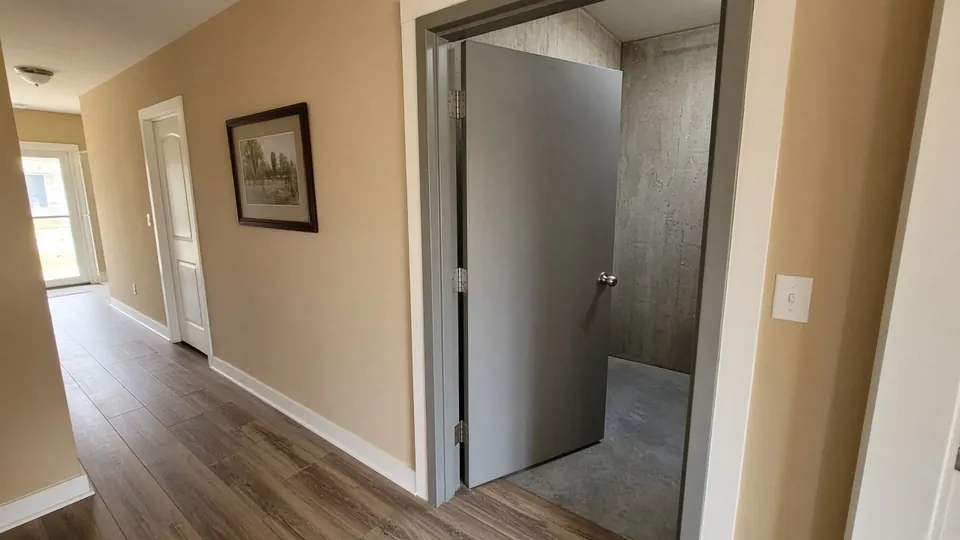
Ready.gov's first choice is a safe room built to FEMA criteria or a storm shelter built to ICC 500. The next option is a small, interior, windowless room or basement on the lowest level of a sturdy building. Practice getting there quickly.
Include pets in the plan, and make sure everyone, including children and older relatives, can open the shelter door and reach it in the few minutes a warning may give. See our types of storm shelters.
Gather supplies
Ready.gov recommends preparing for a long stay at home or sheltering in place, with emergency and cleaning supplies, non-perishable food, water, medical supplies and medication. Keep a flashlight and weather radio where you shelter.
During and after a tornado
During a tornado, go immediately to your shelter, follow alerts, and cover your head and neck. Afterward, stay clear of fallen power lines, text rather than call, and wear thick-soled shoes, long pants and work gloves for cleanup.
In a car, Ready.gov notes there is no safe option, only less dangerous ones; do not shelter under bridges. Read what a tornado warning means.
More guides and shelter types
Compare the six types of storm shelters, read the other guides, or send one estimate request that is shared with independent installers serving Amarillo and nearby Panhandle towns. You are never obliged to hire anyone.
- Storm Shelter Cost
- Affordable Storm Shelters
- What Does a Tornado Warning Mean?
- Underground / In-Ground Storm Shelters
- Basement Tornado Shelters
- Garage Floor Storm Shelters
- Above Ground Storm Shelters
- Safe Rooms
- Prefabricated Bunkers
Request Shelter Information
Estimate request. Independent installers set any price after reviewing your property.